Get updates
Have a parenting hack to share? Or a topic you'd like to see?
How to support different learning styles for kids

Contributing Authors
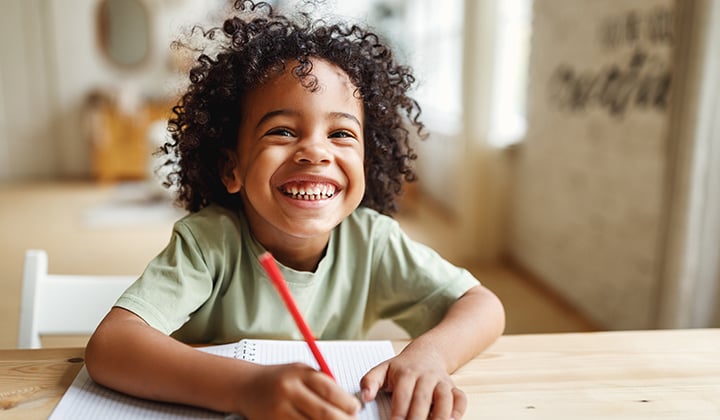
Every kid learns in their own way. One kid may want to see a picture. Another may need to say an idea out loud. Some kids would rather build, move or try something with their hands. These are examples of learning styles for kids and offer clues about how kids learn day to day.
Knowing how your kid likes to learn can make homework and daily tasks feel a little easier. It can also help your kid feel seen and supported. When you notice child learning styles, you can choose simple strategies that match how your child learns best.
The goal is not to give your kid a label. Instead, look for simple ways to help them learn and grow while remembering learning styles are a guide, not a rule.
How do kids learn?
Kids start learning through their senses. They touch, taste and move objects. As they grow, they copy words and actions. They also learn through play, practice and time with other kids. Repeating information can help them remember it. This mix shows how kids learn across many settings and how children learn best with variety and practice.
Your kid may have a favorite way to learn. But most kids use more than one way each day, so child learning styles often blend.
What are the 4 common learning styles?
The VARK model describes four common learning styles: visual, auditory, reading and writing and kinesthetic. These are widely referenced learning styles for kids and help explain how kids learn in everyday life.
Visual learners
Visual learners like to see information. They may enjoy:
- Pictures
- Charts
- Videos
- Maps
- Bright colors
- Drawing
A visual learner may remember faces and places well. They may also notice body language and small details. In elementary school, great activities include labeled diagrams, picture books, color-coded notes and simple infographics that show steps.
Auditory learners
Auditory learners like to hear information. They may enjoy:
- Stories
- Music
- Rhymes
- Talking through a task
- Hearing directions
- Asking questions
Your kid may repeat information out loud to help it stick. They may also enjoy a good chat. Sometimes a very long chat. At home, auditory learners learn best with reading out loud, discussion, echoing new facts, audiobooks and turning steps into short chants or songs.
Reading and writing learners
These learners enjoy words on a page. They may like:
- Books
- Lists
- Notes
- Written directions
- Letters and symbols
- Keeping a log
Writing something down may help your kid connect with the idea and remember it later.
Kinesthetic learners
Kinesthetic learners like to move, touch and do. They may enjoy:
- Building
- Sports
- Dance
- Acting
- Hands-on projects
- Exploring objects
These kids may understand an idea faster when they can try it instead of only reading about it.
How to find your kid’s learning style
You do not need a fancy test to identify child learning styles. Start by watching your child during normal parts of the day.
Think about these questions:
- What kind of play holds their attention?
- Do they ask to see an example?
- Do they repeat directions out loud?
- Do they like to make lists?
- Do they need to move while thinking?
- What helps them remember a new task?
Everyday play, talks and reactions to tasks may offer clues about how children learn best and how kids learn at home and school. Your kid’s preferences may also change based on the task. They might enjoy pictures during math but prefer spoken directions while doing chores. That is OK. Learning can be a mix-and-match situation.
Are learning styles important for kids’ education?
Learning styles for kids can guide you toward strategies that click, but they should not limit a child. Kids benefit from practicing many approaches. Parents and teachers can notice preferences while still helping kids build new skills. Used this way, child learning styles make homework smoother and support confidence without boxing kids in. That balance reflects how children learn best: with variety, support and practice.
Easy ways to support learning at home
You do not have to turn your home into a second classroom. Instead, use things your family is already doing.
Tips for visual learners
Try these simple ideas:
- Make a colorful grocery list together
- Use picture books and labeled diagrams
- Look at a map before a family drive
- Draw the steps of a chore
- Use a visual schedule for homework
Tips for auditory learners
Give these a try:
- Listen to audiobooks during car rides
- Tell stories together
- Read directions out loud
- Let your kid explain an idea to you
- Use a song or sound to mark a change in the routine
These ideas match how auditory learners learn best at home: through listening, talking and echoing key ideas.
Tips for reading and writing learners
Keep words within reach:
- Leave magazines or comics around the house
- Put a note in your kid’s lunchbox
- Make a chore list
- Write down homework steps
- Let your kid check off finished tasks
Tips for kinesthetic learners
Let them get hands-on:
- Bake together
- Work in the garden
- Measure ingredients
- Sort laundry
- Act out a story
- Add movement breaks during homework
Homework tips for different learners
Homework can be tough even on a good day. A few small changes may help:
- Break large assignments into smaller steps
- Use a picture schedule or checklist
- Build in short movement breaks
- Turn off background noise
- Clear away distractions
- Try a timer when it is helpful
The right setup gives your kid room to practice how they take in information and use it. Not every tip will work every time. Try one change, watch what happens and adjust from there.
The big takeaway
Your kid does not need to fit into one learning box. Watch what helps them focus, remember and take the next step. Try pictures. Try talking. Try writing. Try movement. Most of all, remind your kid that learning takes practice and mistakes are allowed. When you stay curious about child learning styles and pay attention to how kids learn, you’ll support how children learn best without adding pressure.
Contributing Authors
Get updates
Have a parenting hack to share? Or a topic you'd like to see?
Related Posts
- Hitting and biting: what parents need to know
- Debunking myths about COVID-19
- How to promote diversity and inclusion in your child’s life
- What every parent should know about preventing child trafficking
- The No. 1 rule about cleaning out earwax
- Food allergies: are more kids allergic to food or are we just more aware?
- Bedwetting: What causes it and when to be concerned?
- The great cover-up
- All about strep throat
- A parent’s guide to discussing white privilege