
Get updates
Have a parenting hack to share? Or a topic you'd like to see?
Co-parenting: Helping kids thrive after divorce

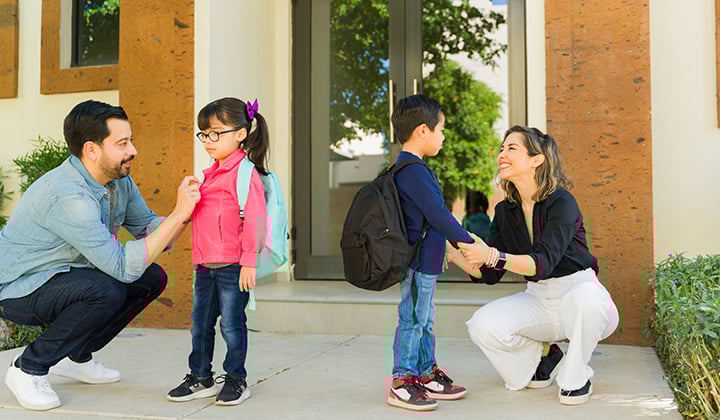
Divorce is hard for parents and kids. But kids can still grow, feel safe and stay connected to both parents. With calm routines, loving support and low conflict, most children do very well over time. Keep reading for effective co-parenting tips.
Help your child feel safe and loved
Kids need to know one thing most of all: both parents love them and will stay part of their lives. You can help your child feel safe by keeping your routines steady, talking kindly and staying calm around them. Try hard to keep adult arguments away from your child because seeing parents fight can make kids feel stressed or worried.
Keep communication simple
In the first couple of years after a divorce, it may help to use written messages instead of talking on the phone, especially when emotions run high. Think of co-parenting like a teamwork job focused on your child. Try to use short, clear and calm messages.
Co-parenting apps like 2Houses or OurFamilyWizard can help you talk about schedules, money, and reminders in one place. Some co-parenting apps even help change the wording to sound kinder. If you feel upset before responding, take a short pause.
Make moving between homes easier
Switching between homes can be tough for kids, but a clear plan is helpful. Try using a simple checklist so things like schoolwork, clothes, sports gear or favorite items don’t get forgotten. Rushing can make everyone stressed, so staying organized matters.
You can also create small rituals, like a special goodbye or hello. This helps your child feel connected to each parent. Make sure your child knows it’s okay to be excited to see the other parent.
Create consistent co-parenting plans and routines
Kids feel safer when they know what to expect. One of the best co-parenting tips is to keep routines the same with both parents. Try to keep bedtime, homework and mealtimes predictable. A calendar or chart can help kids see when and where they will be .
Both parents should try to agree on the basics, like how and when kids can call or text the other parent. When routines stay steady, kids feel calmer and more supported. When there isn’t agreement, try to adopt a “live and let live” style of parenting in parallel.
Watch for signs your child is having a hard time
Some kids show their stress with changes in sleep, eating or behavior. They may seem sad, worried, tired or more frustrated than usual. They might pull away from friends or struggle at school.
Every child is different, so trust what you know about yours. Listen when they share their feelings and work with your coparent to keep them away from conflict.
Teach simple coping skills
Kids need help understanding and naming their feelings. You can teach your child to take deep breaths, talk about their emotions or do calming activities together. Try to spend one-on-one time with each child so they feel connected to you.
When your child feels sad or worried, don’t rush them or tell them to “move on.” Instead, help them talk through their feelings so they can learn healthy ways to cope. Your goal is not to erase their feelings, but to guide them through them.
Helpful books, co-parenting apps and support
Here are some resources families often find helpful:
Books
- For Better or For Worse: Divorce Reconsidered by E. Mavis Hetherington
- Making Divorce Easier on Your Child by Nicholas Long and Rex Forehand
- Raising an Emotionally Intelligent Child by John Gottman
- Divorce Poison by Richard Warshak
Apps and websites
- 2Houses
- OurFamilyWizard
- TalkingParents
- Divorce Wave
- Good Inside
- TalkSpace
- BetterHelp
- Headway
- Calm
Support groups
- DivorceCare
- ParentsHelpingParents.org
Types of support
- Behavioral parent therapy
- Coparent counseling
- Parent coordination
- Mediation
One last bit of reassurance
Divorce can be painful, especially at first—but most kids do well in the long run when they feel loved, safe and supported by both parents. Conflict harms kids far more than divorce itself. When parents focus on kindness, communication and steady routines, children grow up healthy, confident and loved.
Section Chief, Pediatric Psychology Consultation/Liaison Services; Director, Acute Behavioral Health Program Development; Professor of Pediatrics, University of Missouri-Kansas City School of Medicine